
News
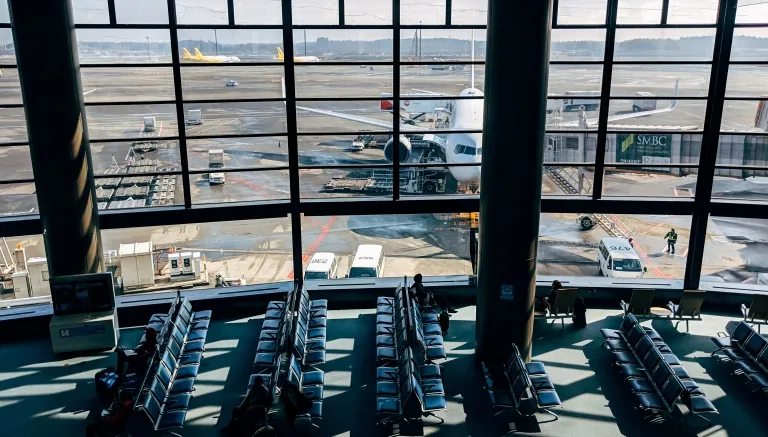
International Travel and Re-entry of Residents
On August 28th, the Government of Japan announced new measures to relax the current cross-border restrictions and to allow for the re-entry of foreign nationals with residence status in Japan.
Effective September 1st, foreign nationals with residence status, including Canadians, are permitted to depart and re-enter Japan when the following criteria are met:
On August 28th, the Government of Japan announced new measures to relax the current cross-border restrictions and to allow for the re-entry of foreign nationals with residence status in Japan.
Effective September 1st, foreign nationals with residence status, including Canadians, are permitted to depart and re-enter Japan when the following criteria are met:
- Event Report
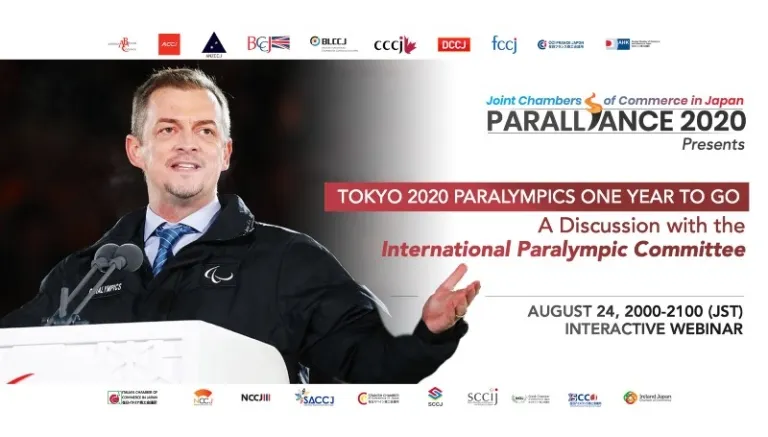
On Aug. 24th a webinar was hosted by the British Chamber of Commerce in Japan along with Paralliance 2020 about the one-year countdown to the Paralympic Games in Tokyo. Paralliance is a group of 20 international chambers of commerce, including the CCCJ, working together in preparation for the Olympic and Paralympic Games. Speakers at the event were President of the International Paralympic Committee (IPC), Mr. Andrew Parsons, as well as IPC Chief Brand & Communications Officer, Mr. Craig Spence and IPC Governing Board Member at Large and President of the Japanese Paralympic Committee, Mr. Yasushi Yamawaki.
Mr. Yamawaki spoke about the legacy of the Paralympic Games in Tokyo, which can already be seen in many infrastructure projects that have been completed. Tokyo has increased mobility options and accessibility for many areas of the city, including train stations. In addition, awareness of parasports has increased in Japan, and the perception of people with disabilities has shifted positively. Many primary and secondary schools in Japan received education programs about inclusion and diversity.
Mr. Yamawaki spoke about the legacy of the Paralympic Games in Tokyo, which can already be seen in many infrastructure projects that have been completed. Tokyo has increased mobility options and accessibility for many areas of the city, including train stations. In addition, awareness of parasports has increased in Japan, and the perception of people with disabilities has shifted positively. Many primary and secondary schools in Japan received education programs about inclusion and diversity.
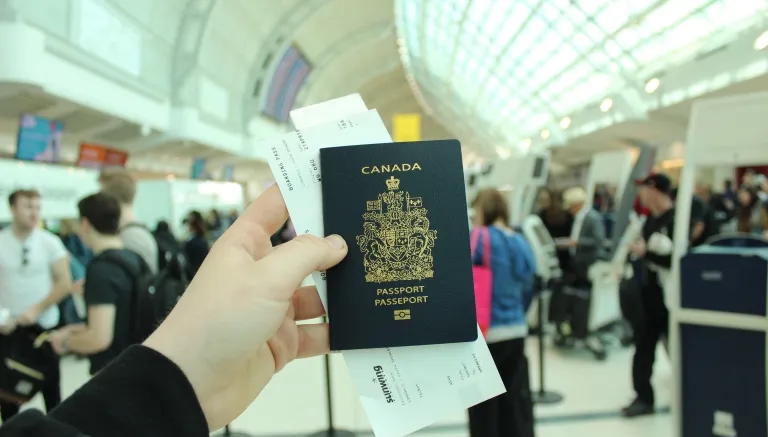
Tokyo - July 31, 2020 - The Canadian Chamber of Commerce in Japan has issued a statement on its website regarding the Japanese government’s strict re-entry conditions. Since Japan declared a state of emergency in April and put in place strict entry conditions for those travelling from many countries, Canadians who are foreign residents in Japan have been adversely affected.
The position of the CCCJ is that these restrictions will be harmful to bilateral trade and investment, as well as for the personal life of Japanese-Canadian families if they are to continue in the long-term. The new relaxation of entry restrictions announced yesterday is a step in the right direction. However, the CCCJ believes similar entry procedures should be extended to all foreign national residents in Japan, including those who left Japan after the entry ban.
The position of the CCCJ is that these restrictions will be harmful to bilateral trade and investment, as well as for the personal life of Japanese-Canadian families if they are to continue in the long-term. The new relaxation of entry restrictions announced yesterday is a step in the right direction. However, the CCCJ believes similar entry procedures should be extended to all foreign national residents in Japan, including those who left Japan after the entry ban.

- Event Report
On July 22, we held our CCCJ Speaker Series Vol. 3 along with Canadian Chamber of Commerce in Hong Kong.
This event was Moderate by Annamarie Sasagawa, Director, Corporate Culture (Global) at Kao Corporation (Tokyo)
This event was Moderate by Annamarie Sasagawa, Director, Corporate Culture (Global) at Kao Corporation (Tokyo)

- Event Report
On July 1, CCCJ held Annual General Meeting at Hylife Pork table as well as online. Chairman, Neil van Wouw welcomed members at the meeting.
David Anderson, chairman of recommended election supervisory committee announced the result of governing board election and introduced new board of governors, Aaron Reist, Marc Bolduc, David Brulotte, Machiko Asai, Ai Nakagawa and Gordon Hatton.
David Anderson, chairman of recommended election supervisory committee announced the result of governing board election and introduced new board of governors, Aaron Reist, Marc Bolduc, David Brulotte, Machiko Asai, Ai Nakagawa and Gordon Hatton.

- Event Report
Once again, here’s a quick recap of the CCCJ Speaker Series Vol. 2 on Wednesday, Jun. 17th.
David Bostwick, Counsellor (Commercial/Trade Policy) at the Embassy of Canada in Tokyo, gave an overview of the Canada-Japan trade relationship. Canada is the 10th largest economy in the world and predicted to grow to the 8th largest by 2029. Canada is Japan’s 16th largest trading partner, ranking above countries like France, India and Brazil. Japan is Canada’s 3rd largest source of foreign investment, almost twice the size of Chinese investment in Canada. Major areas of focus for Canada during the post-COVID-19 economic recovery will be energy, agricultural security, critical minerals and innovation.
David Bostwick, Counsellor (Commercial/Trade Policy) at the Embassy of Canada in Tokyo, gave an overview of the Canada-Japan trade relationship. Canada is the 10th largest economy in the world and predicted to grow to the 8th largest by 2029. Canada is Japan’s 16th largest trading partner, ranking above countries like France, India and Brazil. Japan is Canada’s 3rd largest source of foreign investment, almost twice the size of Chinese investment in Canada. Major areas of focus for Canada during the post-COVID-19 economic recovery will be energy, agricultural security, critical minerals and innovation.

- Event Report
In case you missed it, here’s a quick recap of the CCCJ Speaker Series Vol. 1 on Thursday, Jun. 11th.
Karl Pires, a Partner at Shearman & Sterling, noted that, while COVID-19 has not impacted the volume of M&A in Japan as much as in other countries, he expects that Japan Inc., despite being “cash-rich” relative to their global competitors, will take a cautious approach when it comes to potentially seizing upon anticipated opportunities to buy “distressed” companies even at discounted prices.
Karl Pires, a Partner at Shearman & Sterling, noted that, while COVID-19 has not impacted the volume of M&A in Japan as much as in other countries, he expects that Japan Inc., despite being “cash-rich” relative to their global competitors, will take a cautious approach when it comes to potentially seizing upon anticipated opportunities to buy “distressed” companies even at discounted prices.
- Event Report
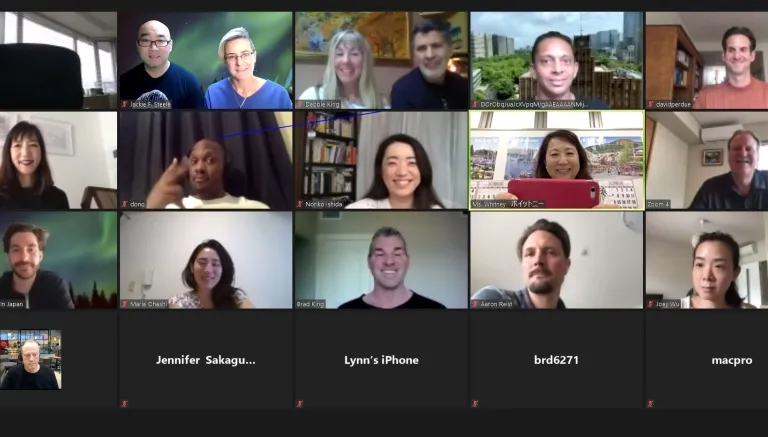
CCCJ Governor and Education Committee Chair, Riyo Whitney, along with some assistance from Events Committee Chair, Noriko Ishida, was kind enough to invite her long-time friend and esteemed wellness colleague, Brad King, for a virtual talk about staying healthy -- not just during COVID-19, but for all time!
Many topics were touched on, such as metabolism, exercise, processed foods, intermittent fasting, and much more. Brad's presentation was incredibly informative for our audience, and perhaps the most impressive portion of the event was the Q&A session, where members asked Brad candid questions about their own personal health observations and concerns. True to form, Brad was able to provide them with hyper-relevant answers and, more often than not, direct them to specific resources to further pursue.
Many topics were touched on, such as metabolism, exercise, processed foods, intermittent fasting, and much more. Brad's presentation was incredibly informative for our audience, and perhaps the most impressive portion of the event was the Q&A session, where members asked Brad candid questions about their own personal health observations and concerns. True to form, Brad was able to provide them with hyper-relevant answers and, more often than not, direct them to specific resources to further pursue.
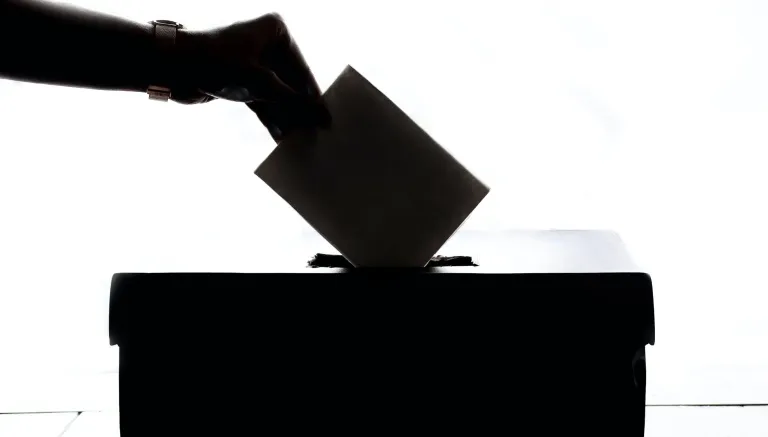
It is election time once again, and we’d like to cordially ask you to help the Chamber and help yourself become even more involved in the Canadian community in Japan by running for the Board of Governors of the CCCJ!
You will need to have another member fill it out if you wish to be nominated. If you do not know someone to do this, please let either David Anderson or Yuko Sudoh know: either is more than happy to help you find a nominator.
You will need to have another member fill it out if you wish to be nominated. If you do not know someone to do this, please let either David Anderson or Yuko Sudoh know: either is more than happy to help you find a nominator.

Following a public statement on YouTube by President and CEO, Calin Rovenscu, Air Canada has rolled out a comprehensive upgrade to their health and safety protocols.
From Air Canada corporate:
From Air Canada corporate:

Beginning on April 20 at noon EDT (01:00am on April 21, JST), all air passengers are required to carry a non-medical mask or face-covering to cover their mouth and nose during travel when traveling to and within Canada. Air travellers will be asked to cover their mouth and nose when required, including:
Beginning on April 20 at noon EDT (01:00am on April 21, JST), all air passengers are required to carry a non-medical mask or face-covering to cover their mouth and nose during travel when traveling to and within Canada. Air travellers will be asked to cover their mouth and nose when required, including:
at Canadian airport screening checkpoints, where the screeners cannot always keep two metres of separation between themselves and the traveller;
Beginning on April 20 at noon EDT (01:00am on April 21, JST), all air passengers are required to carry a non-medical mask or face-covering to cover their mouth and nose during travel when traveling to and within Canada. Air travellers will be asked to cover their mouth and nose when required, including:
at Canadian airport screening checkpoints, where the screeners cannot always keep two metres of separation between themselves and the traveller;
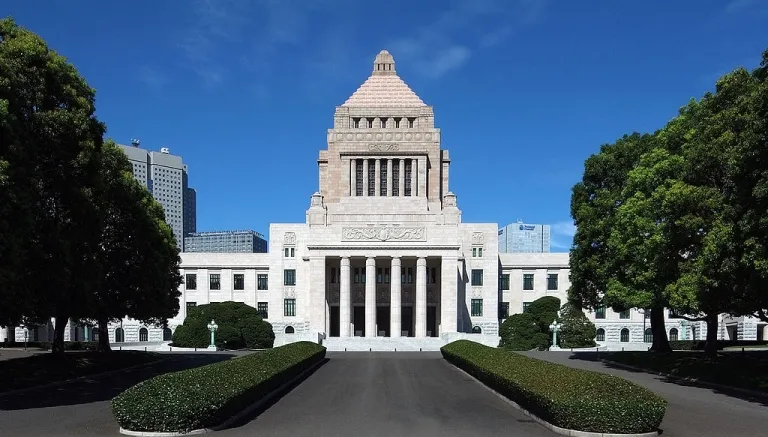
The CCCJ has cooperated with the ACCJ, the ANZCCJ, the BCCJ, the EBC, and IBA Japan to issue a statement to the Government of Japan formally requesting fiscal countermeasures in response to COVID-19.
Please see the attached .pdf files below in English and Japanese to read the full statement.
Please see the attached .pdf files below in English and Japanese to read the full statement.